
Jai Kumar Relwani
January 27, 2026
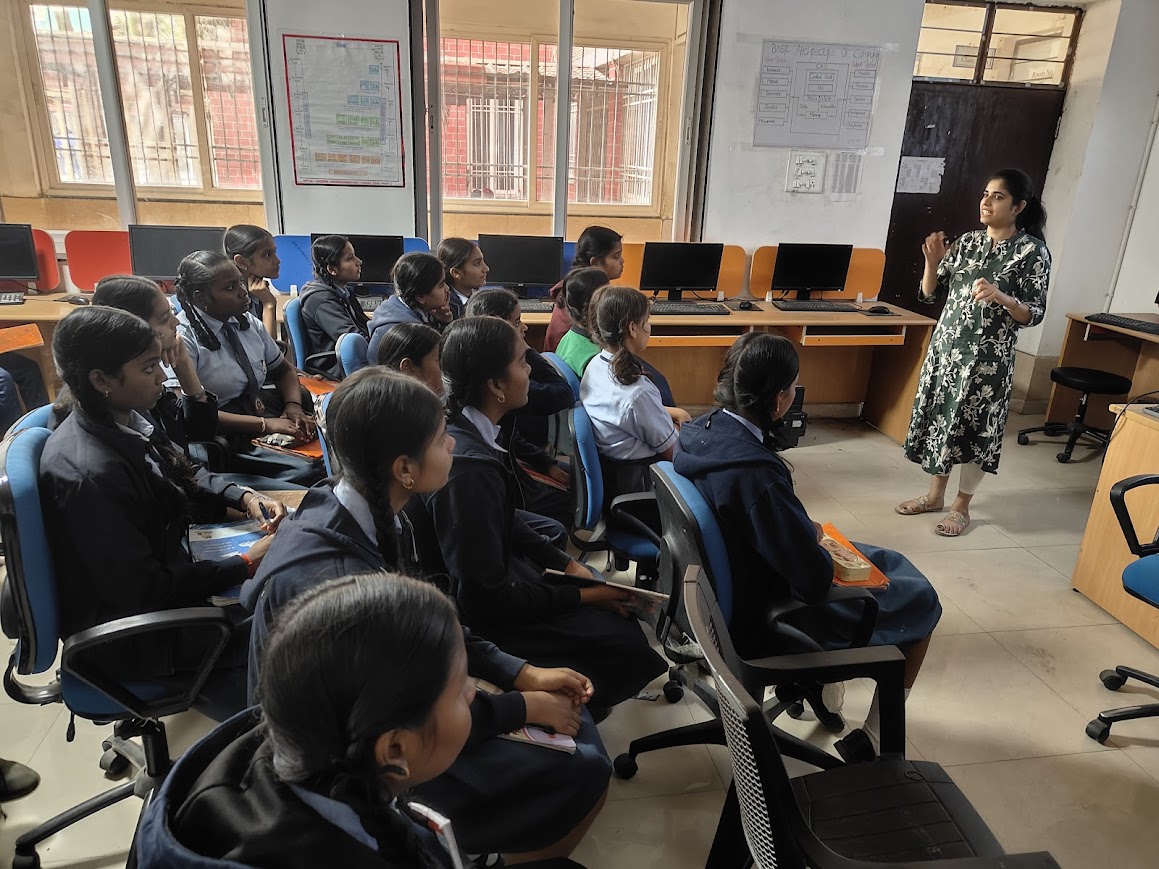
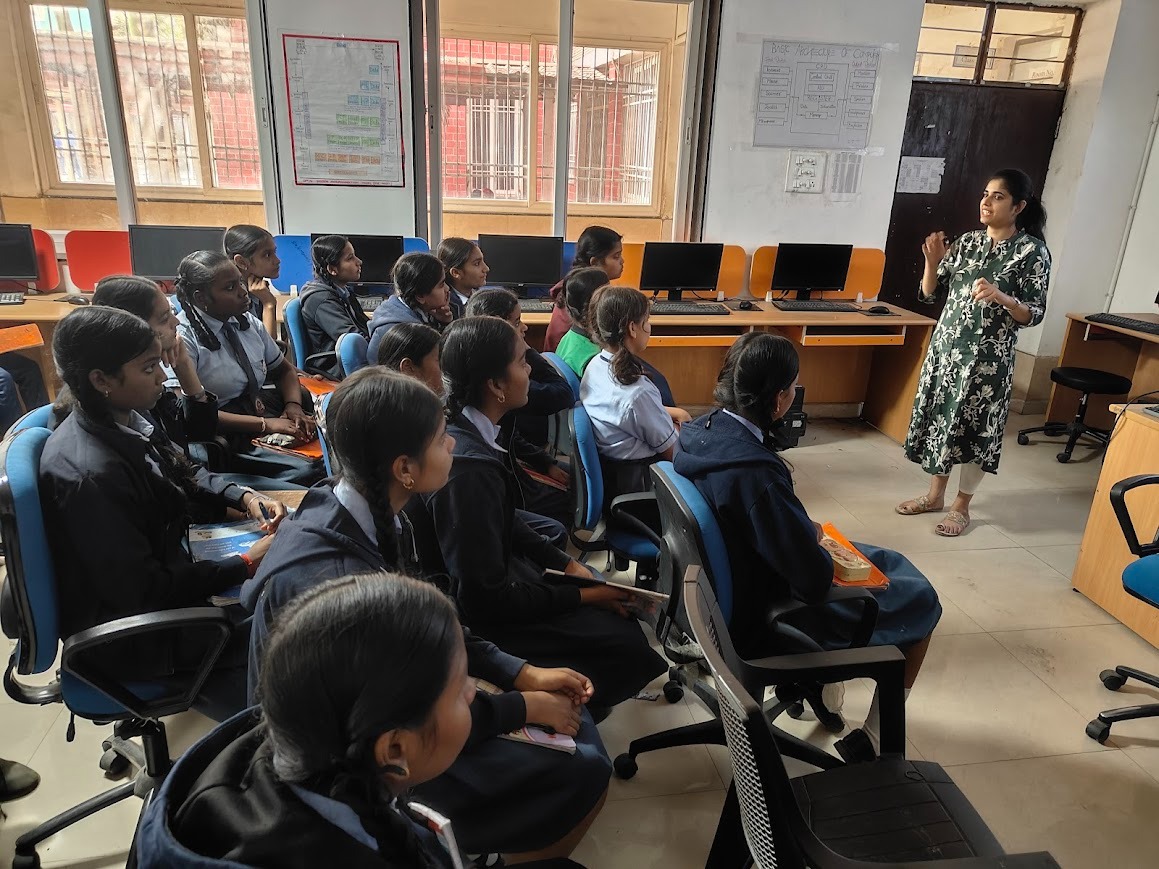
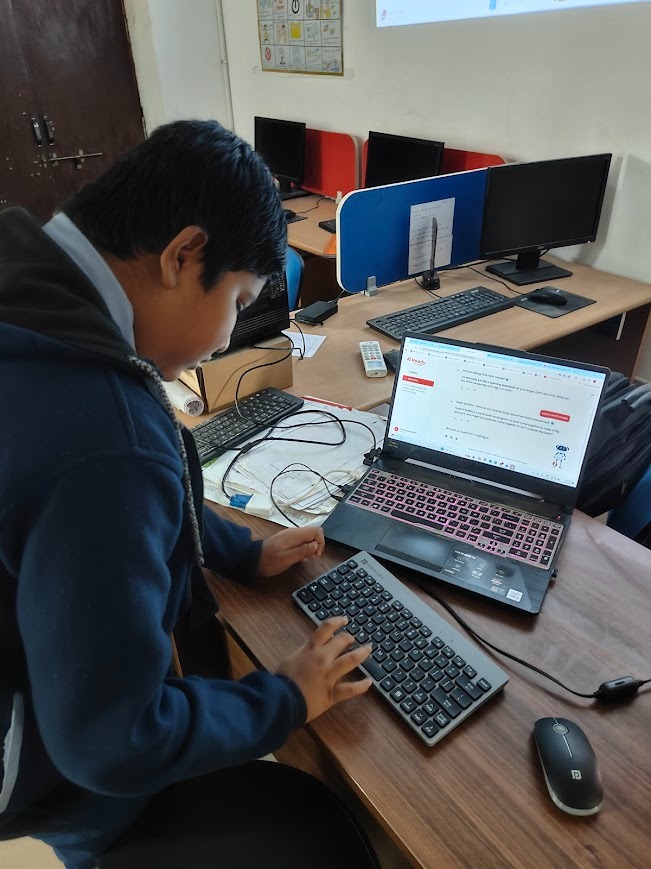
During a pilot test at SAGES B.P. Pujari, Raipur with students from Grades 6, 7, and 8, we were introducing them to Cypher — an AI Buddy designed to support learning, curiosity, and independent thinking.
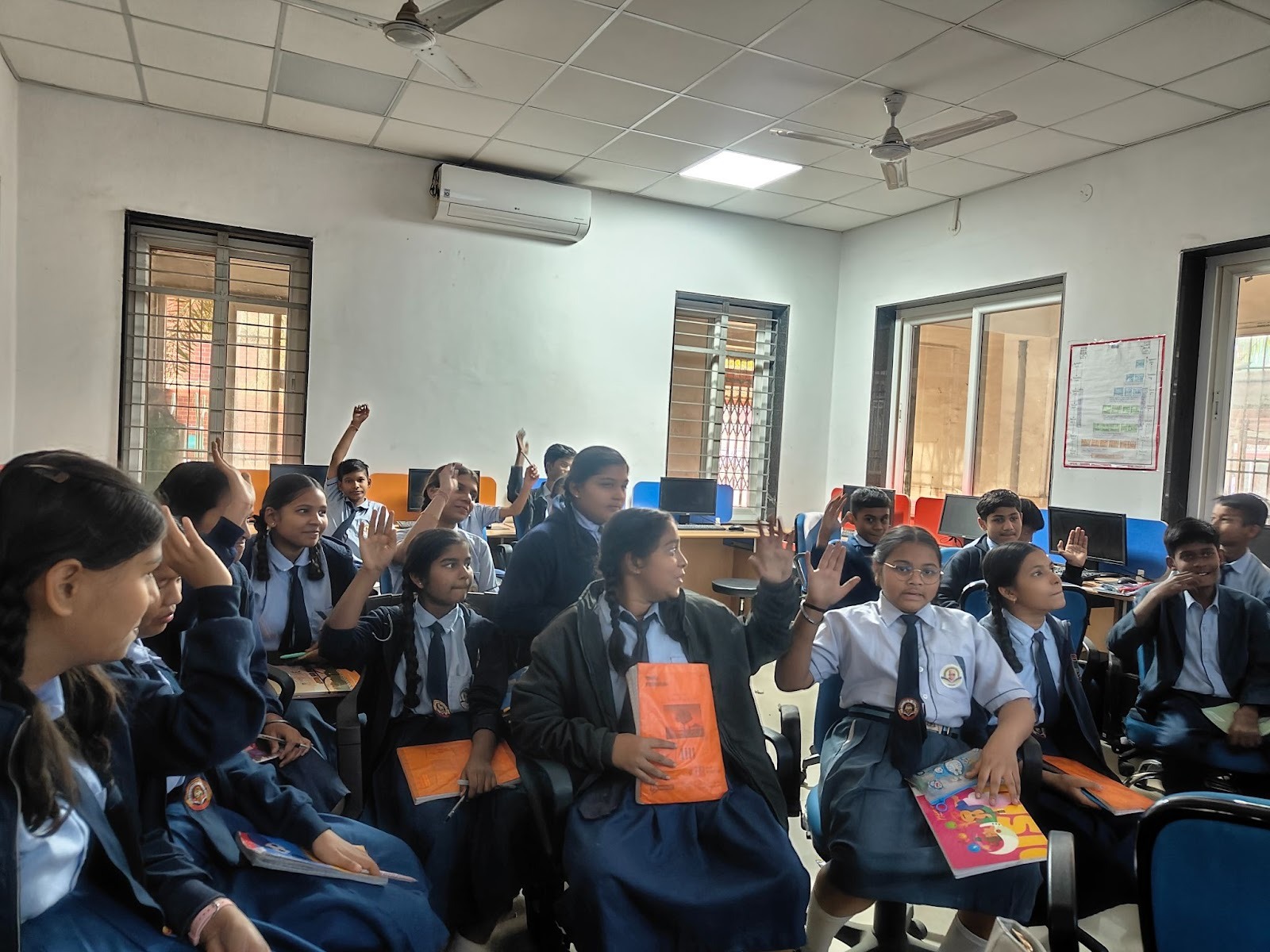
The orientation was energetic. Students were experimenting, exploring, and asking questions freely. Then, in the middle of the session, one student raised his hand and asked:
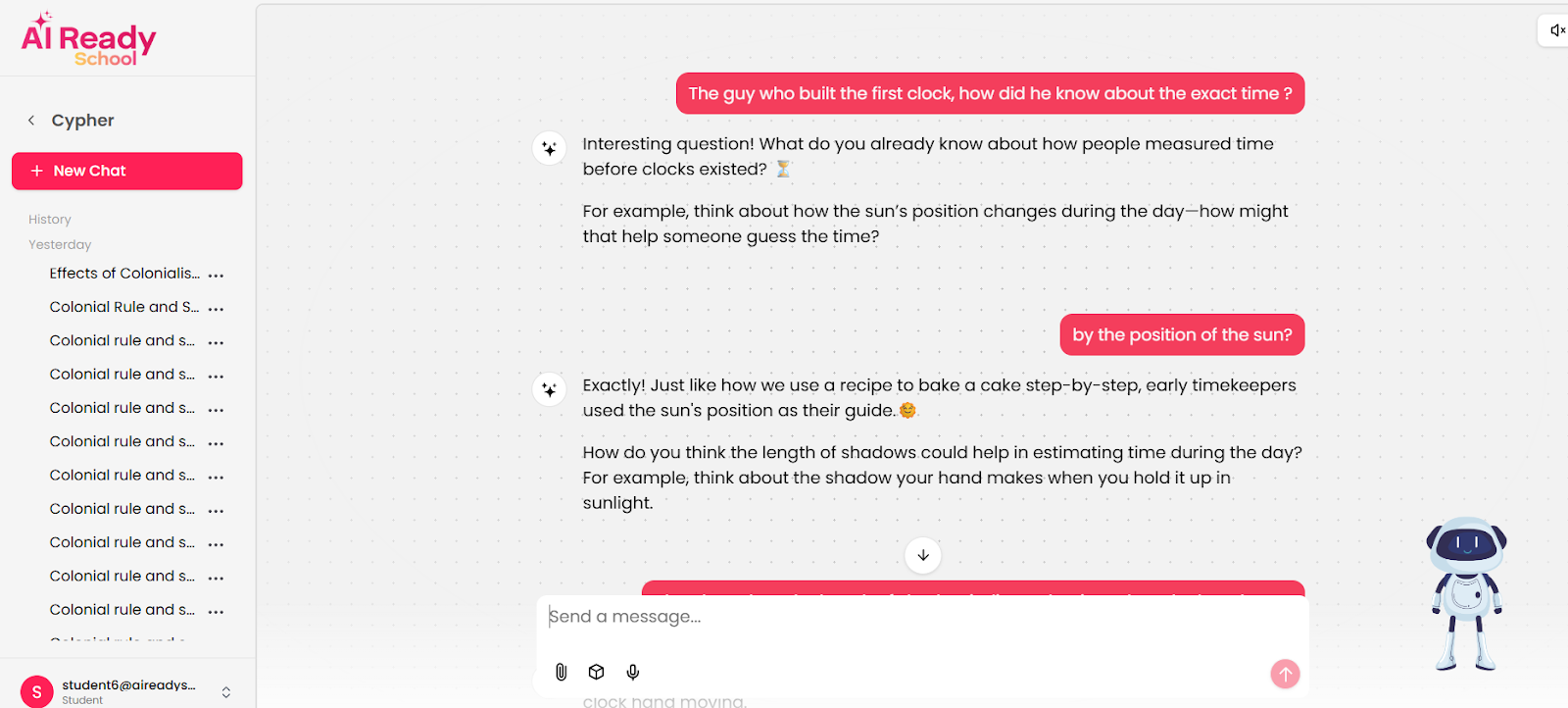
“The guy who built the first clock… how did he know the exact time?”
It wasn’t a question from the textbook.
It wasn’t asked for marks.
It came from pure curiosity.
And in that moment, learning truly began.
There’s a line from The Matrix that feels incredibly relevant here:
“It’s the question that drives us, Neo. You know the question.”

That student didn’t just ask about clocks.
He was asking about how humans figured things out before they had answers.
Instead of responding immediately, we turned to Cypher and asked the question together.
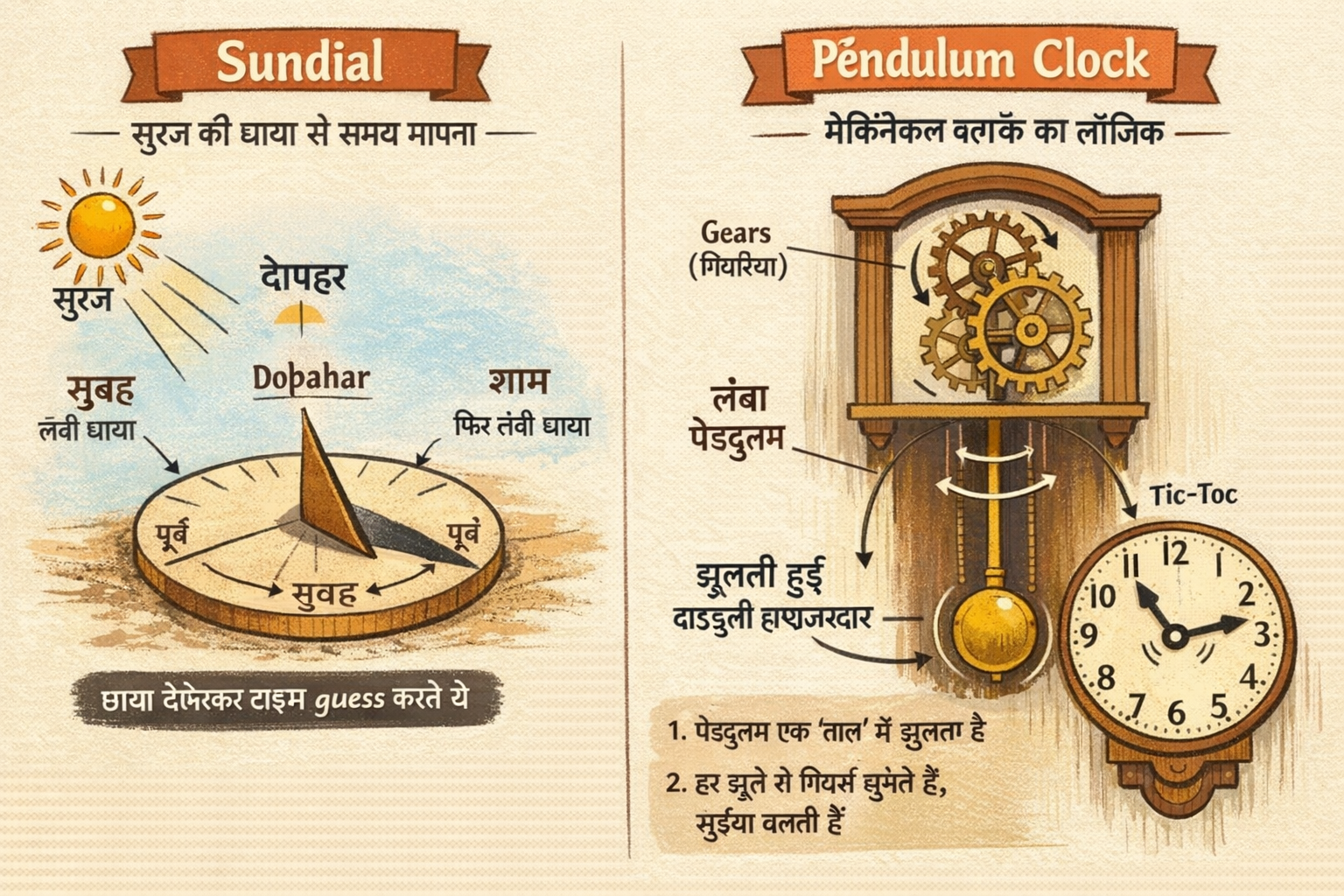
Cypher explained that the idea of the “first clock” depends on what we mean by a clock:
The realization was subtle but powerful:
Exact answers didn’t come first.
Questions did.
What unfolded next was far more important than the historical explanation.
Students began to see that:
That single question unlocked discussions across science, history, astronomy, and human innovation — naturally, without force.
This is the joy of learning we often talk about, but rarely witness so clearly.
We often worry about technology giving students answers too easily.
But what tools like Cypher actually do is something far more meaningful:
AI, when used thoughtfully, doesn’t replace thinking —
it invites it.
India’s National Education Policy (NEP) 2020 marks a decisive shift away from rote memorization toward inquiry-based, experiential, and discovery-oriented learning. The policy explicitly calls for reducing curriculum overload so classrooms can create space for discussion, exploration, and student questioning — recognizing that deep understanding comes from engaging with ideas, not merely recalling information.
Educational research strongly supports this vision.
A meta-analysis of over 20 studies involving more than 1,300 students found that inquiry-based teaching significantly improves higher-order thinking skills, including critical thinking, analysis, and synthesis, across age groups — particularly among middle and high school learners. These findings show that when students are encouraged to ask questions, investigate concepts, and think independently, they develop deeper conceptual understanding than peers in traditional lecture-based classrooms.
Further reinforcing this, additional studies have shown that students in inquiry-driven learning environments demonstrate up to a 34% improvement in critical thinking performance compared to those taught through conventional instructional methods. Such classrooms also report higher levels of student engagement, motivation, and long-term retention of concepts.
However, research from Indian classrooms highlights a persistent challenge.
Studies across primary and middle schools in India reveal that teacher-led, lecture-based instruction still dominates, and students are often given limited opportunities to ask questions or explore ideas independently. This creates a clear gap between the vision of NEP 2020 and the reality of classroom practice.
And that gap matters.
Because curiosity doesn’t disappear —
it simply goes unheard.
We are standing at the edge of a beautiful shift in education.
Today’s learners can:
They are no longer limited to classrooms or textbooks.
They are becoming self-dependent learners — driven not by answers, but by curiosity.
And when a Grade 6 student starts questioning how humanity first understood time, we know something is changing for the better.
Maybe education was never about filling minds with information.
Maybe it was always about:
Because answers evolve.
Facts update.
Technology changes.
But the ability to ask meaningful questions?
That’s timeless.
And if we nurture that — with the right tools, the right mindset, and the right support — we’re not just teaching students.
We’re helping them understand the world.
What questions are your students asking today?
Create spaces where curiosity is welcomed, questions are celebrated, and learning goes beyond answers.
Explore how AI learning buddies like Cypher can help students become confident, self-driven learners.