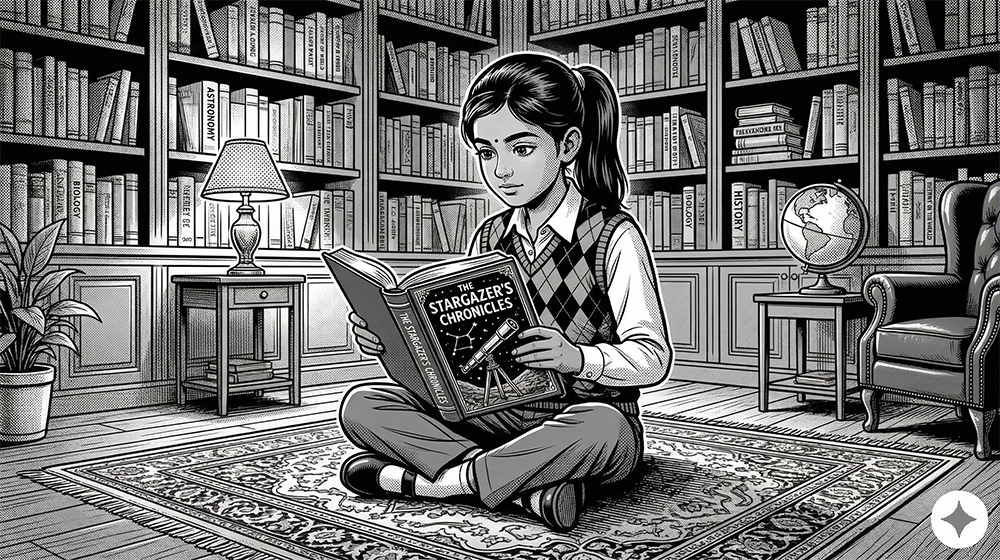
Aanya was diagnosed with dyslexia at age 7. Her parents have fought for accommodations, extra time, specialist support. Her school is genuinely trying. And yet Aanya still sits in a classroom designed for a kind of mind she doesn't have, reading from textbooks written for eyes that process text differently than hers do.
She is not behind intellectually. Her verbal reasoning is exceptional — she can listen to a complex explanation once and reconstruct it perfectly. She asks questions that make her teachers pause and think. She understands deeply. She just cannot access that understanding through the primary medium school uses: written text at speed.
AIRS doesn't start with text. It starts with Aanya's Learning Style Index, which immediately flags her auditory-verbal profile and her processing pattern. Cypher adjusts its default modality — explanations come as audio first, with visual support, with more time built into every interaction. There's no pressure to read fast. The system doesn't know impatience.
Her assignments are generated with audio instructions. Assessments allow voice responses. When Cypher detects that Aanya is struggling with a written task, it doesn't mark it down — it offers to switch modes. "Would you like to explain your answer instead?"
Her teacher, through Morpheus, has a clear picture of Aanya's actual knowledge state — separated from her processing challenges. For the first time, Aanya's intelligence and her dyslexia are being measured separately. Her knowledge graph shows what she actually knows. Not what her handwriting speed suggests she knows.
Aanya's parents cry at the parent-teacher meeting. Not from worry, for once. From relief.