AI is moving faster than any curriculum can keep up with. Our team tracks every significant development — new models, breakthroughs in learning science, policy shifts, and emerging tools — and distills what actually matters for schools, educators, and students. No noise. No hype. Just the updates that will shape how education works tomorrow.
On June 22, 2026, OpenAI expanded its cybersecurity initiative, Daybreak, releasing the full version of GPT-5.5-Cyber and launching "Patch the Planet" — a programme dedicated entirely to fixing the vulnerabilities AI has gotten extraordinarily good at finding. The model has already discovered a 23-year-old flaw hiding in OpenBSD and identified critical bugs in Chrome, Safari, and Firefox. The announcement reveals something genuinely important about where AI cybersecurity is heading: the hard problem is no longer finding the cracks in the world's software. It is fixing them fast enough to matter. Here is the full story, and why it changes how every school should think about the AI-secured world its students are inheriting.
On June 22, 2026, the cybersecurity chiefs of the Five Eyes intelligence alliance — the United States, United Kingdom, Canada, Australia, and New Zealand — issued a rare, coordinated joint statement: AI systems capable of launching cyberattacks powerful enough to overwhelm governments and major corporations are now months away, not years. Not a prediction for the next decade. A warning for the second half of this year. Here is exactly what five of the most capable intelligence services on Earth are telling the world to prepare for, why they chose to say it together and publicly, and what it means for the children who will inherit the systems these agencies are racing to defend.
A peer-reviewed study published in PNAS Nexus on June 10 gave the world's leading AI models a 100-year-old psychology test designed to measure focus and self-control. The result: AI models that score over 90% accuracy on short tasks collapse toward complete failure as the task gets longer and more demanding. Humans do not. The researchers found a fundamental flaw in how AI pays attention — and it changes how we should think about what AI can and cannot be trusted to do.
New York City Public Schools — the largest school district in the United States, serving 1.1 million students — has published the most detailed AI governance framework any major school system has attempted. A simple traffic-light system. A 76-member task force. A hard rule that AI can support a teacher's decisions but never replace them. And an honest admission: the system does not yet know how to evaluate AI tools for bias. Here is exactly what NYC decided, what it got right, what it has not yet solved, and why every school building an AI strategy should be reading this guidance closely.
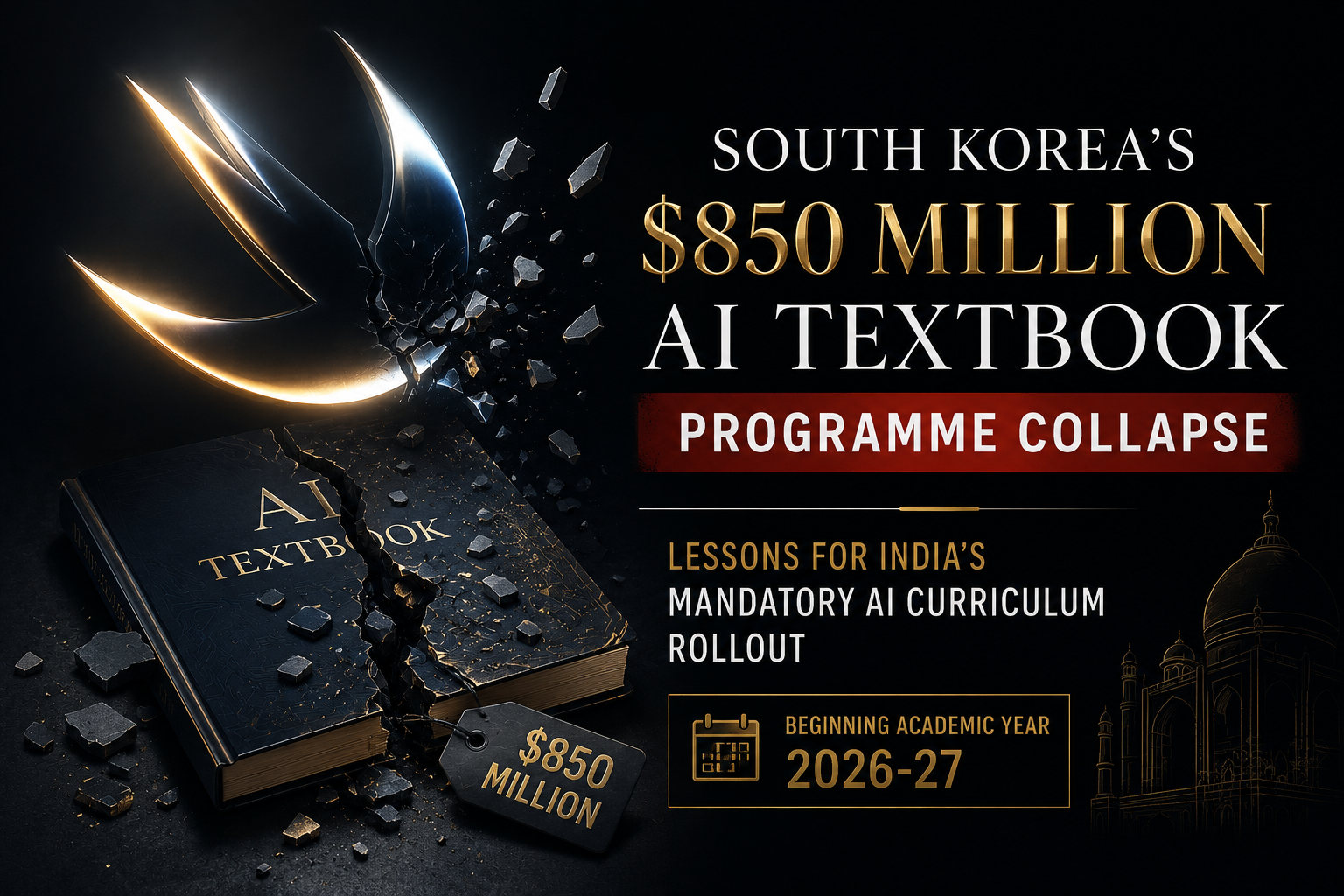
South Korea's national AI textbook programme — an $850 million bet that every core subject in every public school would be delivered through AI-powered tablets by 2028 — has effectively collapsed within months of launch. Teacher training failed, parents revolted, and adoption split almost entirely along political lines, from 98% in one region to 8% in another. India's own mandatory AI curriculum begins in the exact same academic year, 2026-27, for every CBSE, KVS, and NVS school in the country. Here is exactly what went wrong in Korea — and the specific, avoidable mistakes every Indian school needs to study before its own rollout begins.
On June 8, 2026, Tim Cook walked on stage for his final keynote as Apple CEO and announced the most significant admission in the company's recent history: Siri, the voice assistant Apple has built for fifteen years, is now powered by a custom 1.2-trillion-parameter Google Gemini model. The company that has always insisted on building everything itself just paid roughly $1 billion a year to a competitor for the intelligence at the heart of its most personal product. Here is what that decision says about where AI power actually sits in 2026 — and what it means for two billion people who are about to use it.

On June 4, 2026, Anthropic — the company behind Claude, worth nearly $1 trillion, and days away from releasing Fable 5 to the public — published a paper titled "When AI Builds Itself." Its central argument: AI systems are now approaching the ability to improve themselves without human intervention, the pace of development has outrun every safety framework that exists, and the world needs a coordinated global pause before humans lose the ability to meaningfully oversee what they have built. This is not a warning from a critic on the outside. It is a warning from the people building the most powerful AI on earth — about their own work.
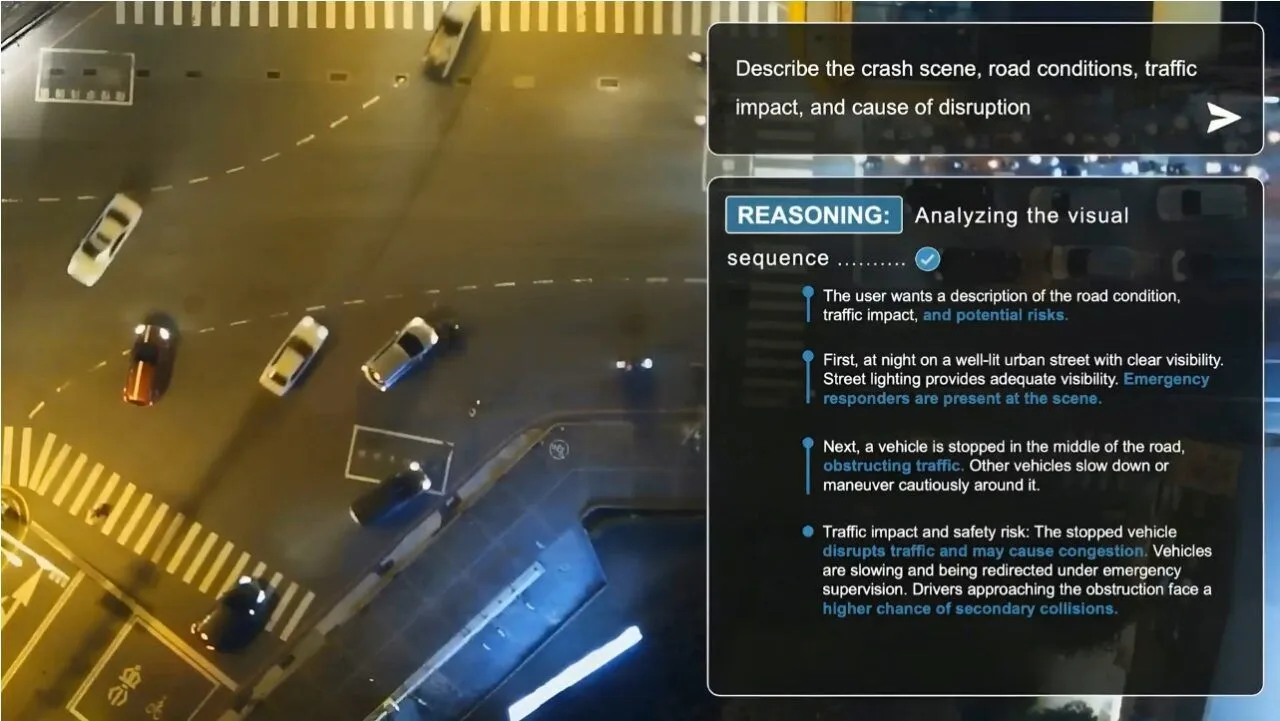
On June 1, 2026, NVIDIA launched Cosmos 3 at GTC Taipei — the world's first open AI model that combines vision reasoning, world simulation, and action prediction in a single system. Trained on 20 trillion tokens of multimodal data including nearly a billion images, 400 million videos, ambient audio, and real robot action data, it gives physical machines the ability to understand, predict, and act in the real world with limited training. This is not a language model that talks. It is an AI that moves — and it changes everything about how robots, autonomous vehicles, and intelligent machines are built from today forward.

On June 9, 2026, Anthropic released Claude Fable 5 — the first Mythos-class model ever made available to the general public. Two months ago, Mythos was locked away because it was too good at hacking. Now, Anthropic has found a way to give the world the same intelligence with the dangerous edges contained. Same brain. Two passports. Here is the full story of what Fable 5 is, how Anthropic made it safe enough to release, and what it means for a world where the most powerful AI ever built is now available to anyone with an internet connection.

India is launching a National AI Literacy Campaign anchored to National Youth Day 2026, giving students a self-paced “AI 101” course and aligning classroom AI awareness with NEP 2020 and the IndiaAI Mission.
UNESCO has opened nominations for its 2026 ICT in Education Prize with a new theme: “Reimagining Creativity and Critical Thinking with Artificial Intelligence.” The move signals a shift from using AI just for efficiency to using it to deepen creativity, critical thinking, and higher-order skills in classrooms worldwide
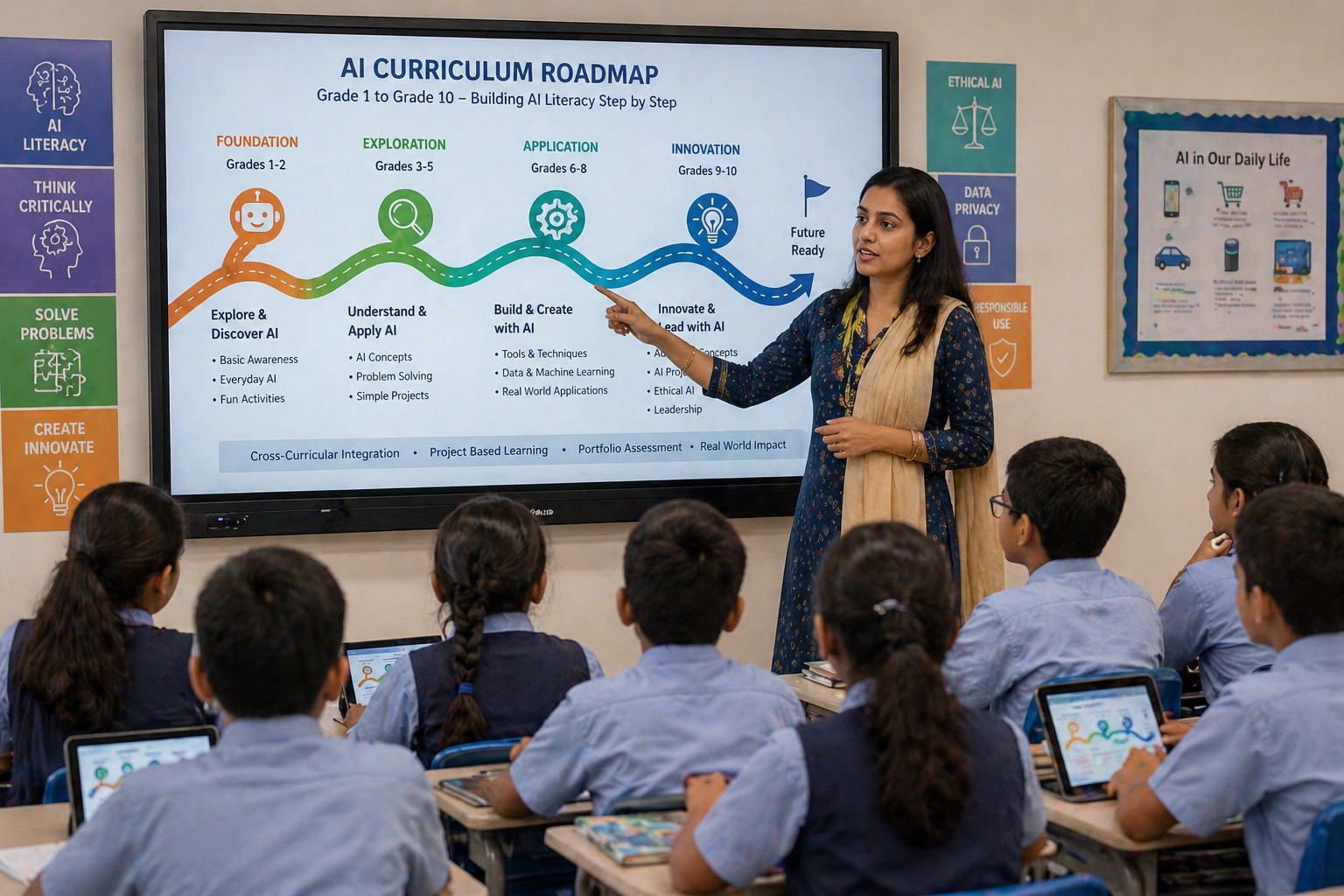
Today’s AI-in-education landscape in India is being shaped by two big moves: large-scale teacher training on AI tools and a national push to integrate AI into school curricula under NEP 2020. Together, they signal a shift from AI “experiments” to system-level AI readiness in classrooms.
In 2026, AI in education is shifting from experiments to everyday infrastructure, helping schools personalize learning, save teacher time, and stay compliant with new AI guidelines. Discover key trends, tools, and policy updates shaping the classroom.
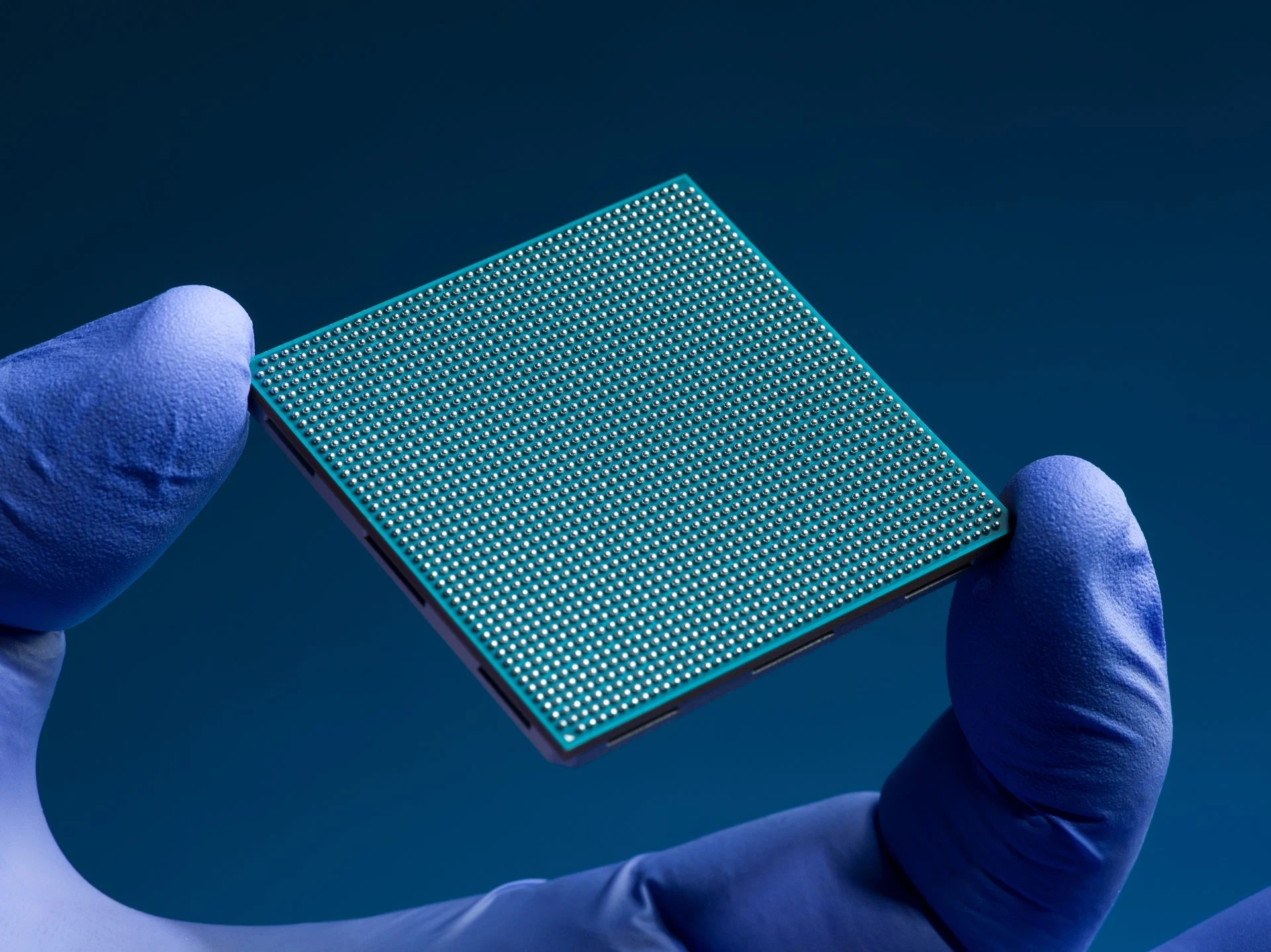
On May 15, 2026, NASA's Jet Propulsion Laboratory announced it is testing a new AI chip — the High Performance Spaceflight Computing processor — that will give future spacecraft the ability to think, decide, and act autonomously in deep space, without waiting for instructions from Earth. Early results show it delivers up to 500 times the performance of processors currently flying on Mars. It is the most significant leap in space computing in a generation. And it is being tested right now – by the same agency whose rover AI Ready School wrote about in April, when Claude planned Perseverance's first autonomous drive on Mars.

In January 2026, researchers at the Université de Montréal — including Yoshua Bengio, one of the founding fathers of modern AI — published the largest head-to-head comparison of human and machine creativity ever conducted. 100,000 people. Nine of the world's most advanced AI models. The result: AI now outperforms the average human on creativity tests. But buried inside that headline is a finding that every school in the world needs to read carefully — because the full story is not what the headline says.
.png)
On May 15, 2026, Anthropic agreed to raise $30 billion at a $900 billion valuation — making it the most valuable private AI company in the world, surpassing OpenAI for the first time. Its annualised revenue has grown from $9 billion to $44 billion in five months. The round could be its last before an IPO. But the number that matters most is not $900 billion. It is the signal that number sends about where the world believes AI is going — and how fast.
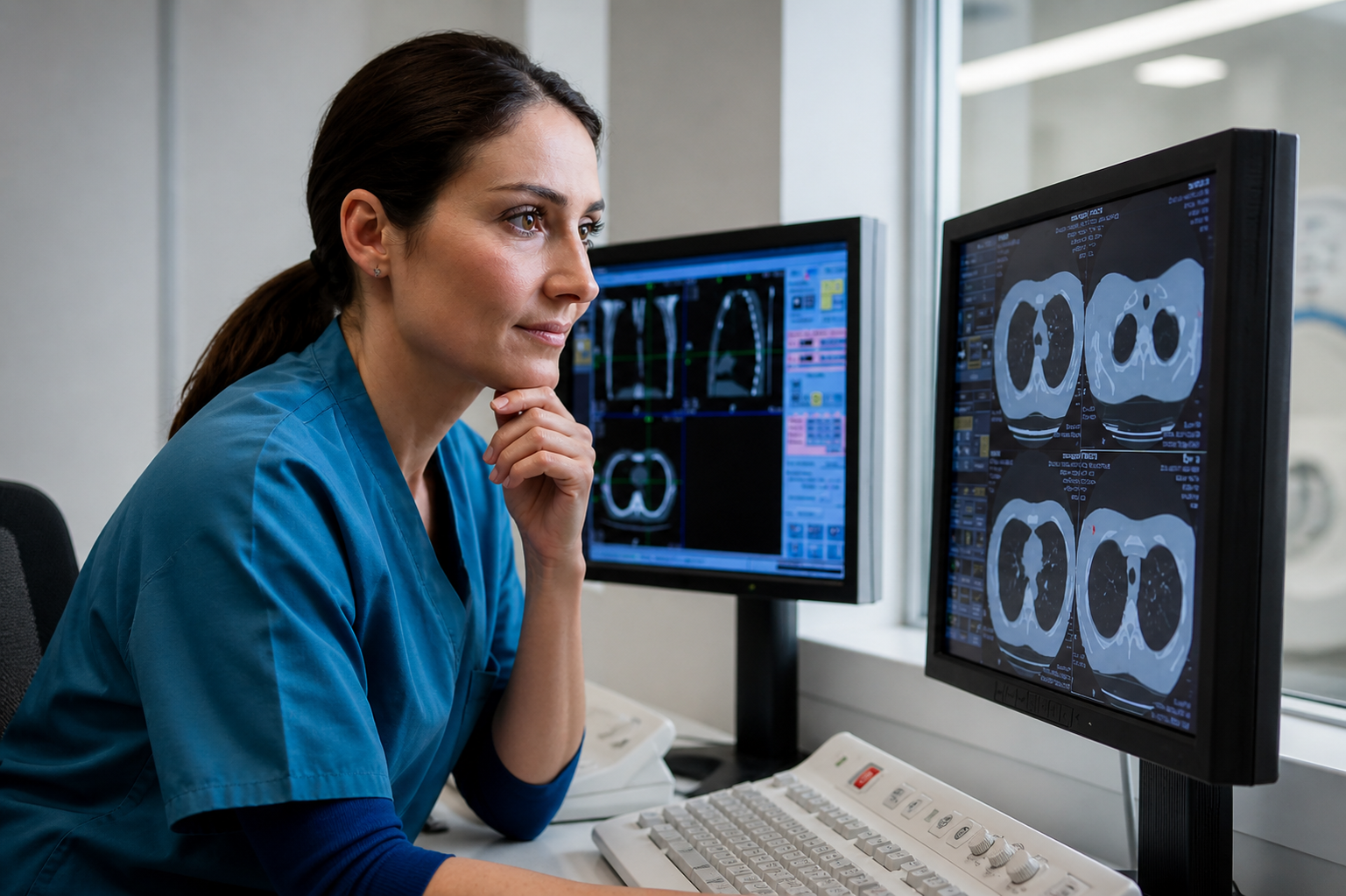
A peer-reviewed study published in the journal Science on April 30 by researchers at Harvard Medical School, Beth Israel Deaconess Medical Center, and Stanford University found that OpenAI's o1 model correctly diagnosed emergency room patients more accurately than experienced physicians. The AI got it right 67% of the time. The two attending doctors scored 55% and 50%. This is not a tech demo. It is a finding in one of the world's most rigorous scientific journals — and it raises a question every school, every parent, and every student should sit with: if AI can now out-think a doctor in an emergency room, what does that mean for what we teach children to become?
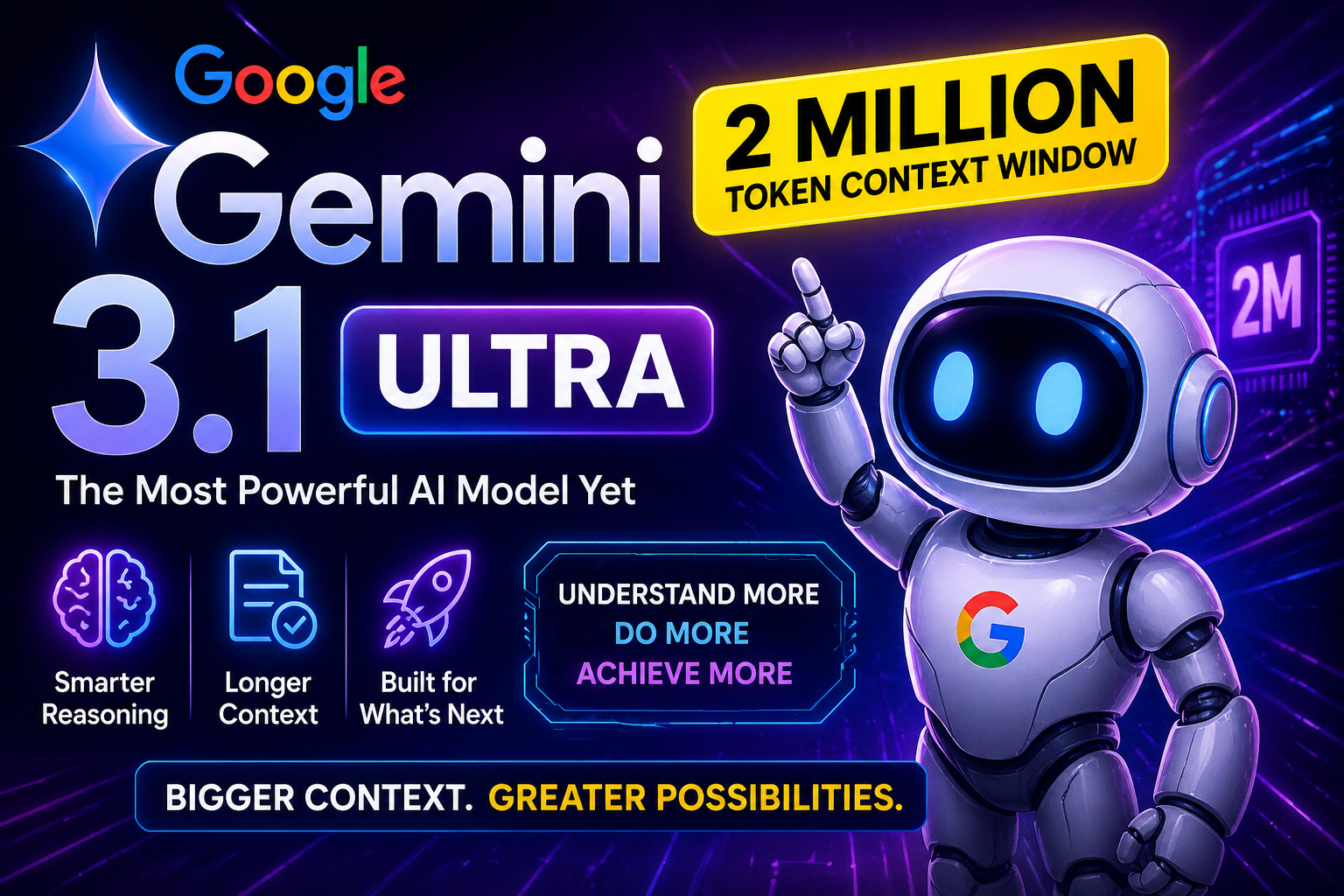
Google released Gemini 3.1 Ultra this April with a 2-million-token context window — the largest memory any publicly available AI has ever had. It can read 1,500 pages of text, watch hours of video, listen to audio, and reason across all of it simultaneously in a single conversation. No AI has ever been able to hold this much in mind at once. Here is what that shift actually means — for science, for work, for learning, and for the children growing up in a world where AI now remembers more than any human ever could.
On April 15, 2026, Snap laid off 1,000 employees — 16% of its entire workforce — and became the first major tech company to say it plainly: AI is now writing 65% of our code. The stock rose 11% the same day. So far in 2026, over 96,000 tech workers have lost their jobs, and AI automation is the leading cause. This is not a future warning. It is a present fact — and it changes what schools must prepare children for, starting today.

On December 8, 2025, NASA's Perseverance rover drove across the surface of Mars following a route planned entirely by an AI — not a human. The commands were written by Anthropic's Claude, transmitted 360 million kilometres through space, and executed flawlessly. It is the first time in 28 years of Mars exploration that a machine, not a person, decided where another machine should go on another world. Here is what actually happened and what it means for the children who will one day go further.
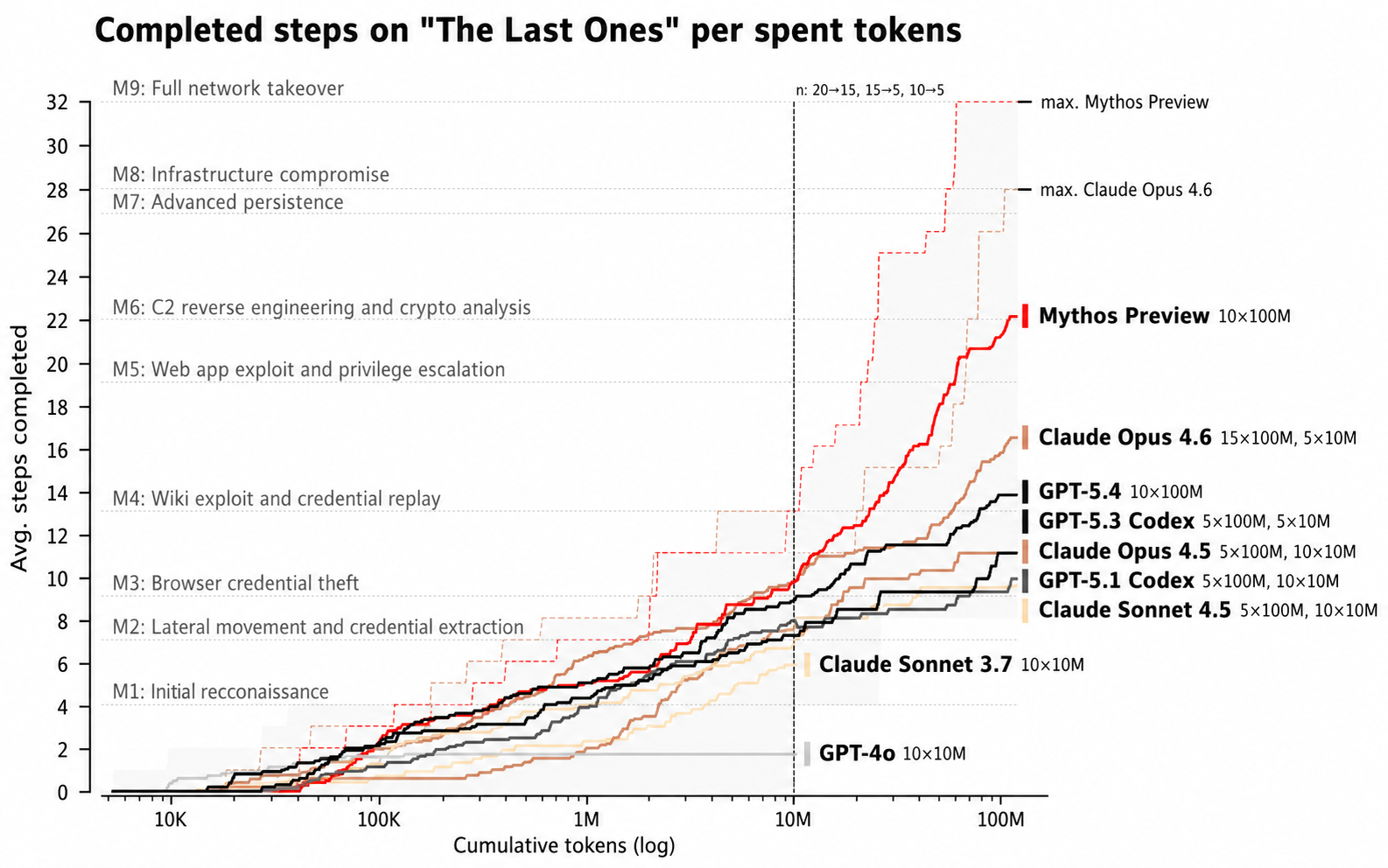
Anthropic's Claude Mythos Preview is the most capable AI model ever built — and one of the few ever deliberately withheld from public release. It can find and exploit zero-day security vulnerabilities in every major operating system and browser, autonomously, in hours. Here is the full story of what Mythos is, why Anthropic locked it away, and what it tells us about where AI capability is actually heading.
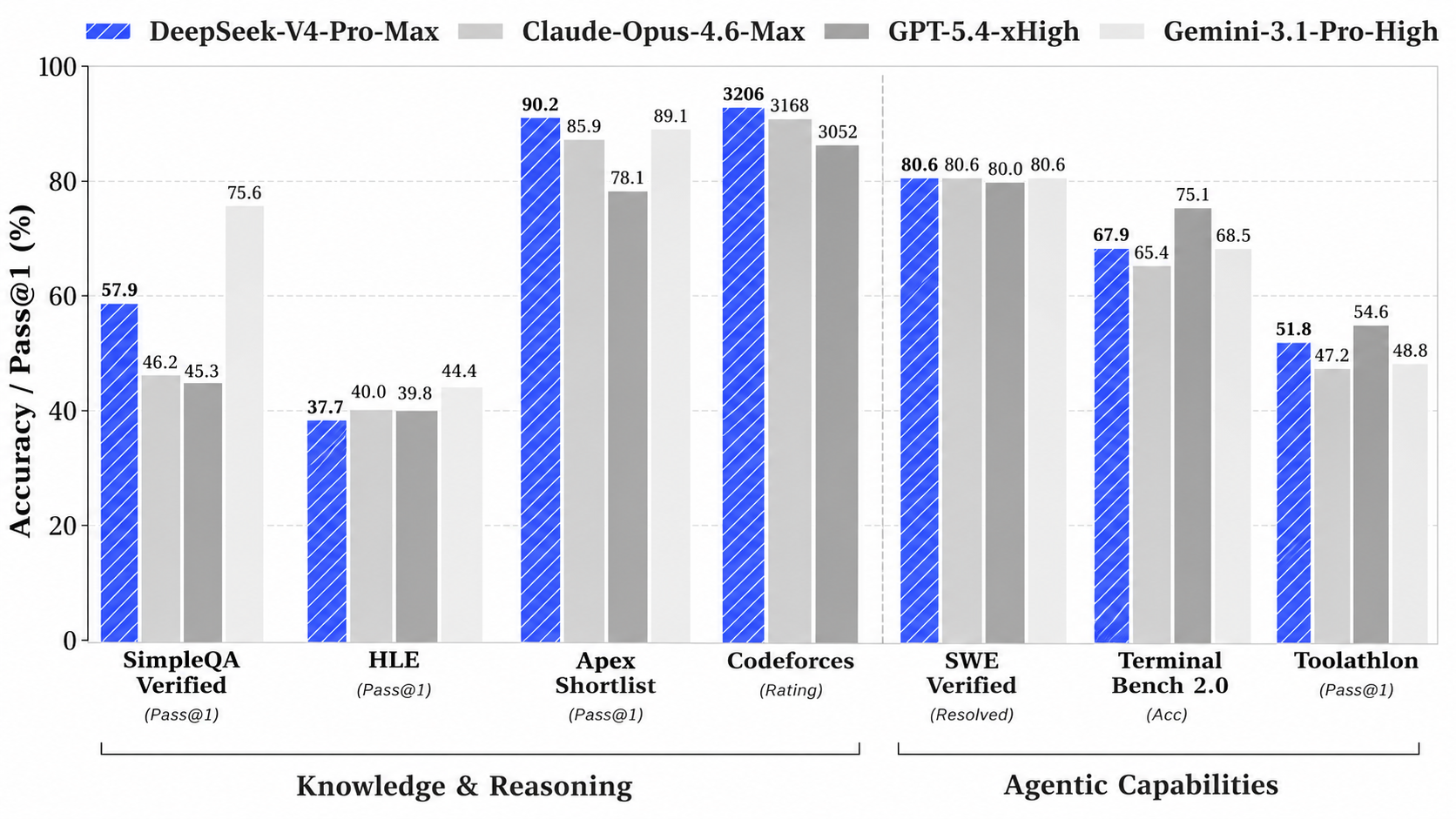
China's DeepSeek launched V4-Pro and V4-Flash yesterday – open-source models that rival GPT-5.4 at a tenth of the price, with a 1-million-token context window. Here is what it means for schools, AI equity, and the future of on-premise learning infrastructure.
Discover GPT-Rosalind, OpenAI’s first domain-specific AI model built for life sciences and drug discovery. Learn how it accelerates genomics, protein engineering, experimental planning, and early-stage research while outperforming general AI models in key bioinformatics benchmarks. Explore why this breakthrough matters for healthcare, education, and the future of AI-powered science.
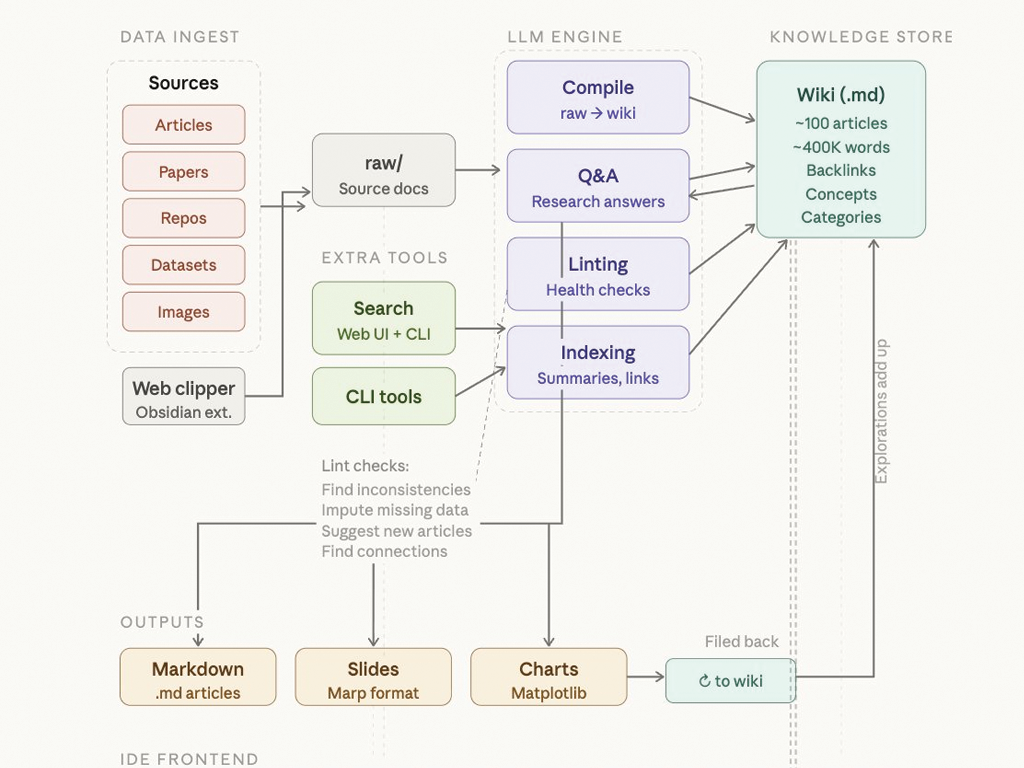
Andrej Karpathy — co-founder of OpenAI, former AI lead at Tesla, and the person who coined "vibe coding" — has shared a significant shift in how he uses LLMs. He is now spending more of his token budget building structured, persistent knowledge bases than generating code. The workflow is simple in architecture but profound in implication.
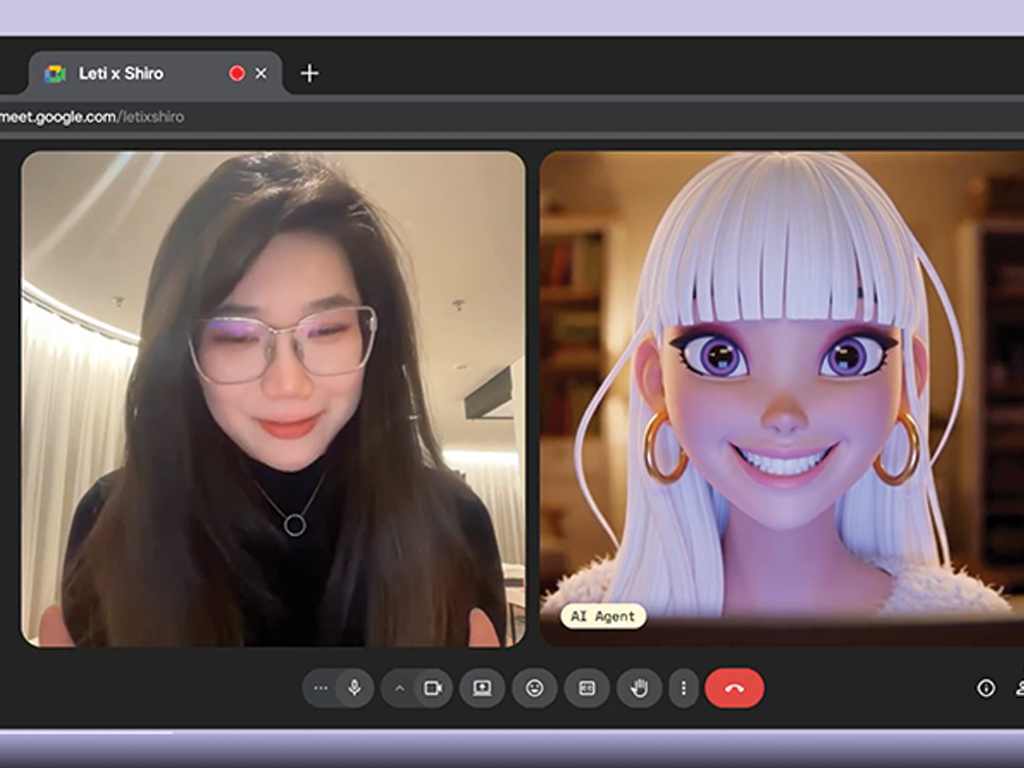
Conversations tend to go better with a face and a voice. That’s why we’re thrilled to release the beta version of the first video chat skill for ANY agent, powered by Pika's new real-time model, PikaStream1.0. The skill preserves memory and personality, and enables real-time adaptability. And if you use it with your Pika AI Self, they’ll be able to execute agentic tasks during the call 💅
Human First. AI Next.™
